
woven by water
A documentary about the thread that connects us all.
TRAILER
Water touches everything. It shapes ecosystems, economies, education, and the future of entire communities, most of the time without anyone noticing.
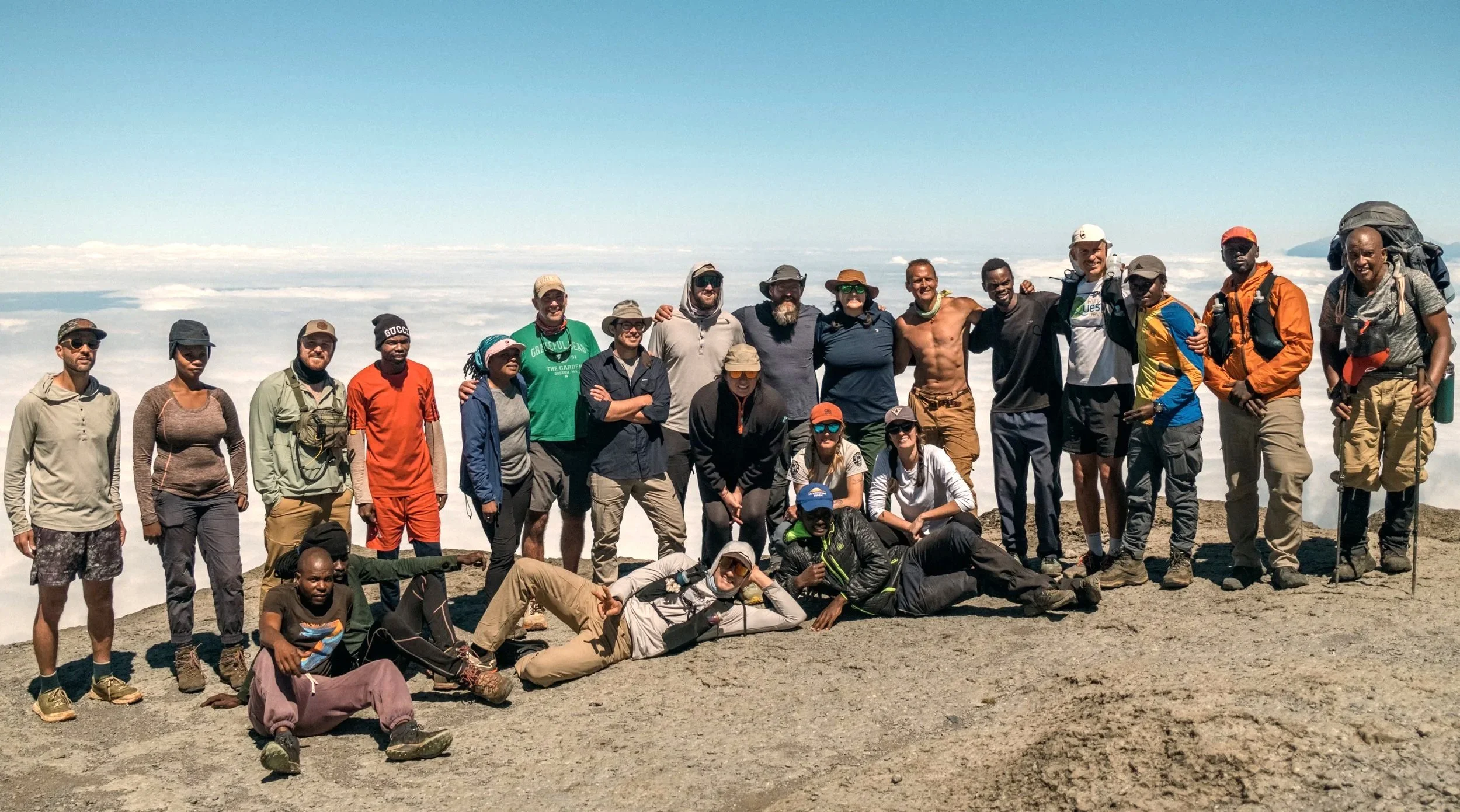
Woven by Water follows Greg Armstrong, founder of Run4Water and a teacher at Friendship Christian Academy, as he travels from a butterfly reserve in Mexico to a rural community in Tennessee to a school on the edge of the Maasai Steppe in Tanzania, before climbing the slopes of Kilimanjaro alongside the porters who carry water for a living. Along the way, four unrelated stories reveal the same truth: water is the thread running through nearly every part of life.
The film isn't about statistics or crisis. It's an invitation to see the world differently, and to ask what thread you're weaving into it.
Mexico — The Monarch Butterflies
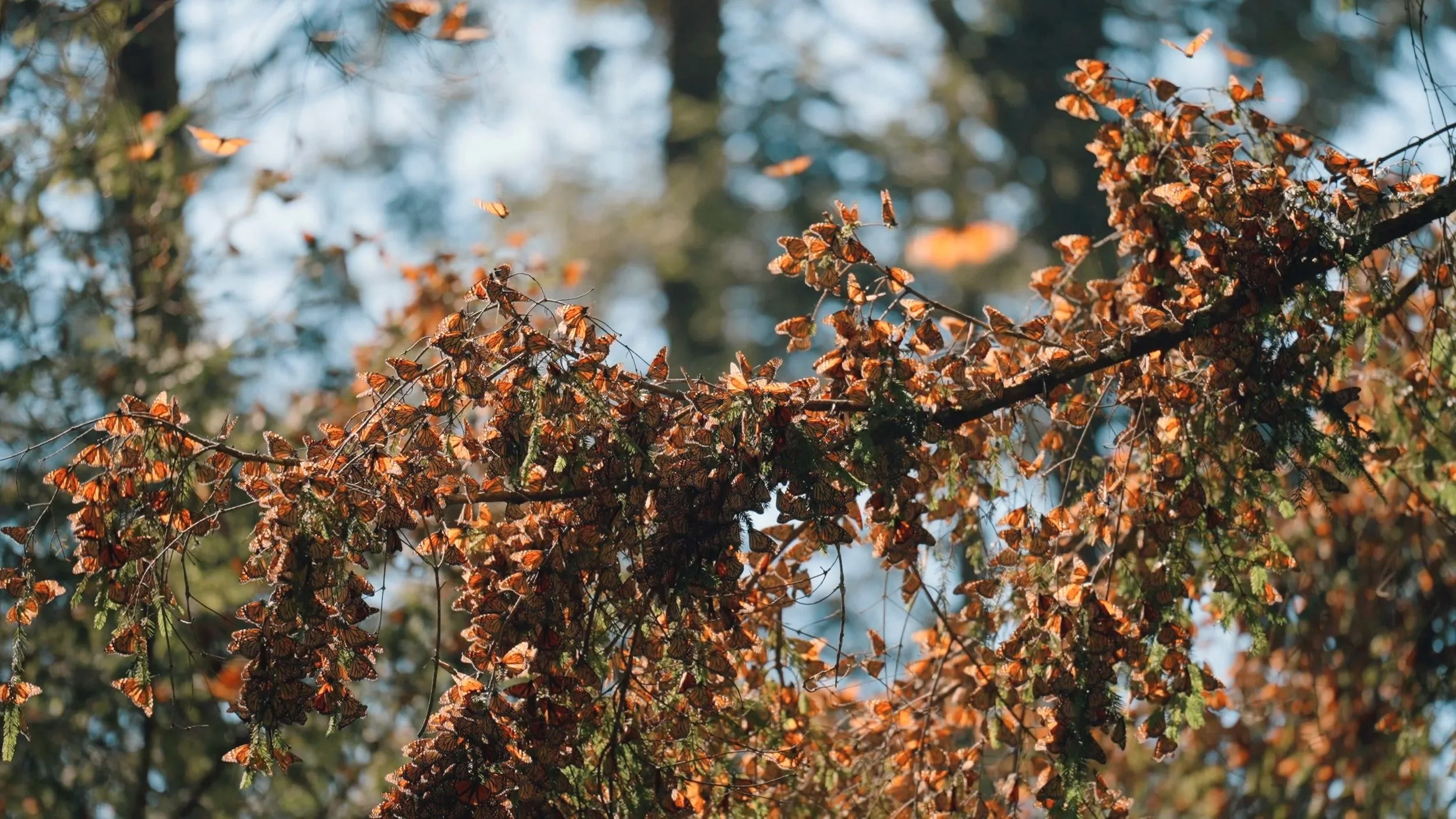
It starts as a story about butterflies. The Monarch Butterfly Biosphere Reserve is one of the most striking places on earth, millions of monarchs gathering in the Oyamel fir forests after their migration from Canada and North America. But the trees are disappearing, cut down faster than they can regrow, and that's where the story turns. Those forests aren't just a home for butterflies. They're giant sponges, catching fog, slowing rainfall, and feeding the springs an entire region depends on. When the trees go, the water goes with them, and so does the tourism and the livelihoods built around it. What looks like an environmental story about one species is really a story about everyone downstream.
Sneedville, Tennessee
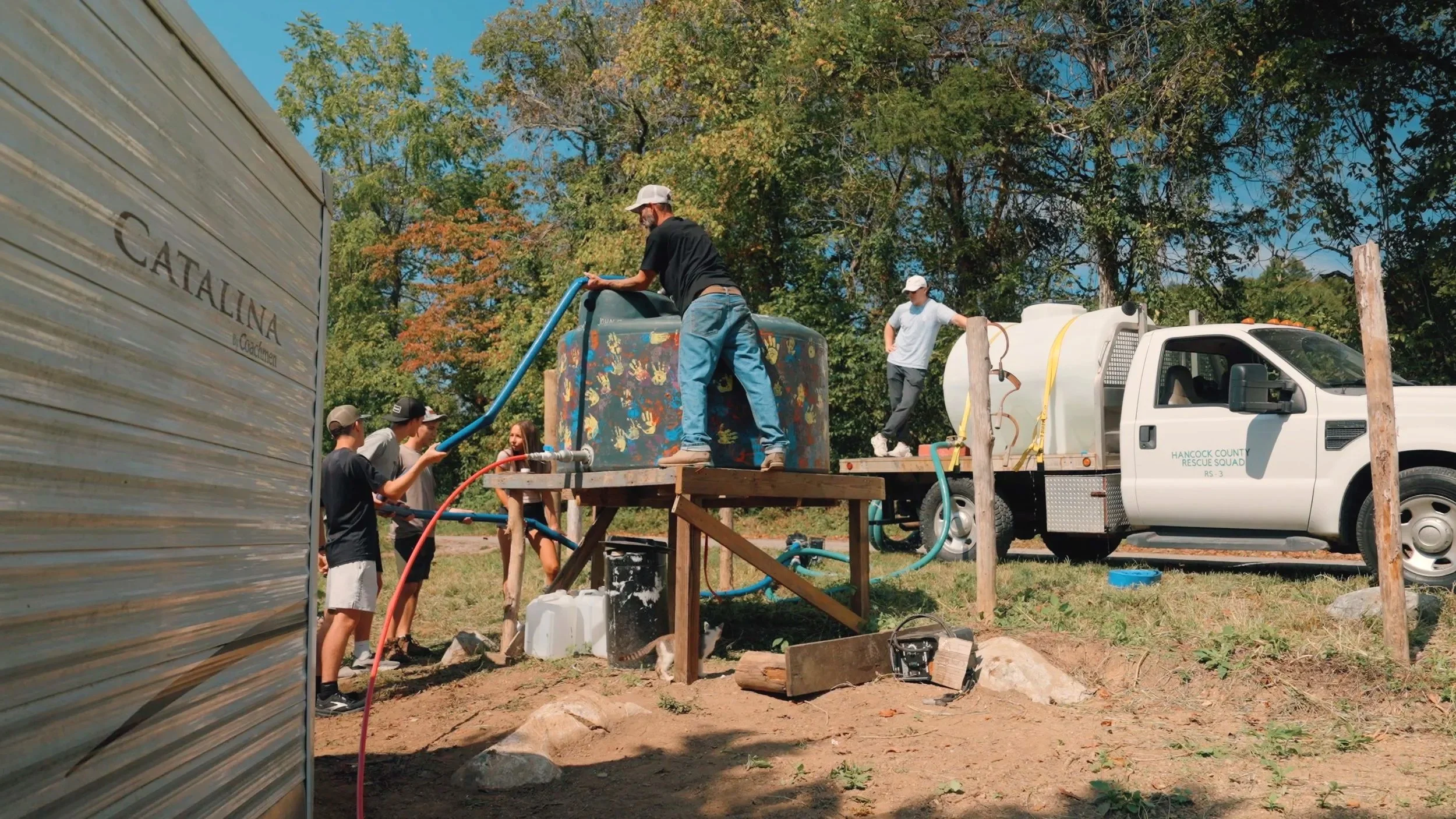
Most people assume water insecurity is something that happens somewhere else. Sneedville proves that wrong. This is rural East Tennessee, not a developing country, and families here still rely on 500-gallon holding tanks and well water because municipal water never reached their homes. Nearby rivers carry contamination concerns of their own. Water has to be delivered, hauled, and rationed, all within a few hours of major American cities. This chapter isn't about poverty. It's about dignity, and about hardworking families who shouldn't have to think this hard about something as basic as clean water.
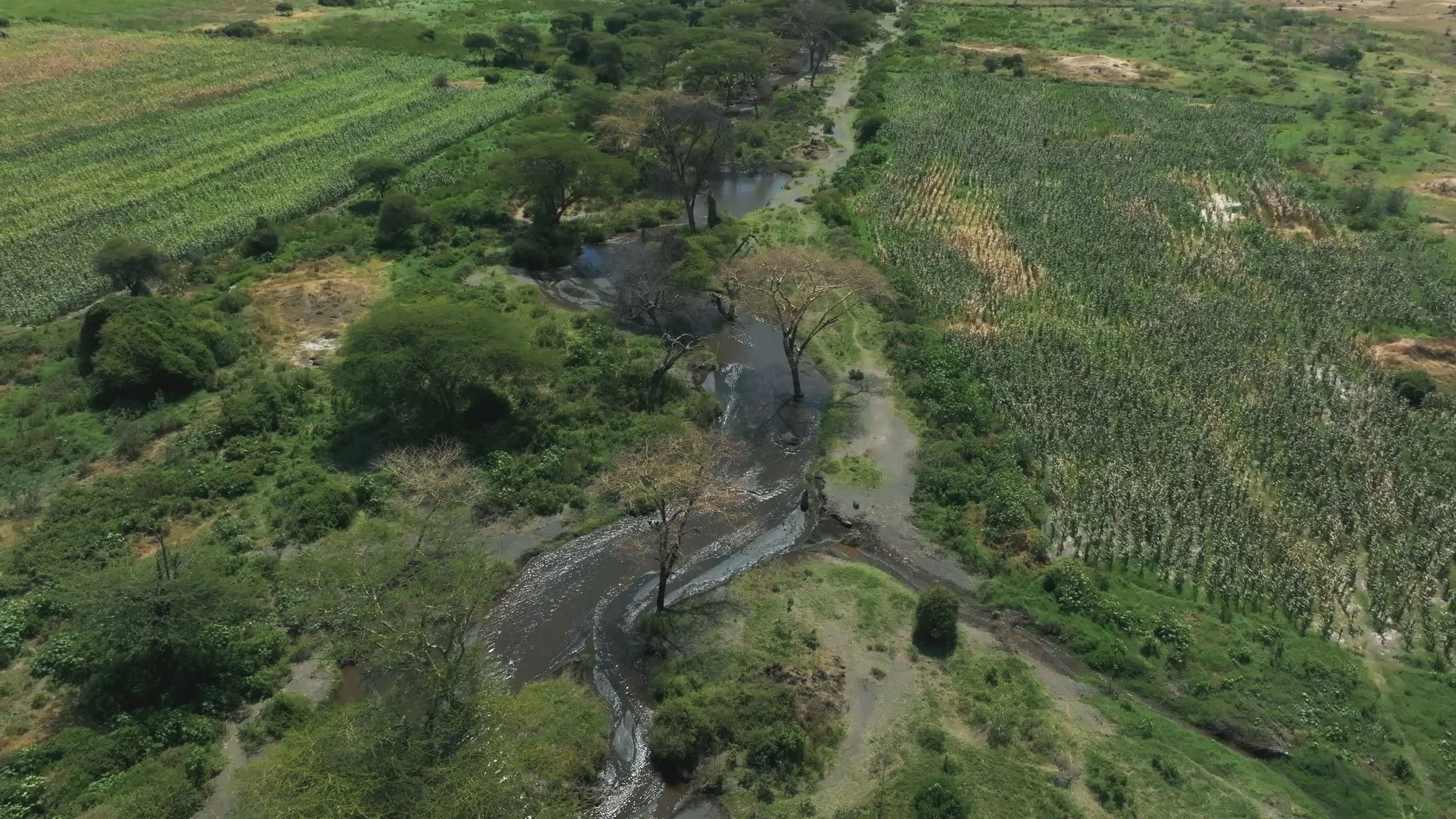
Tanzania — 84 Days
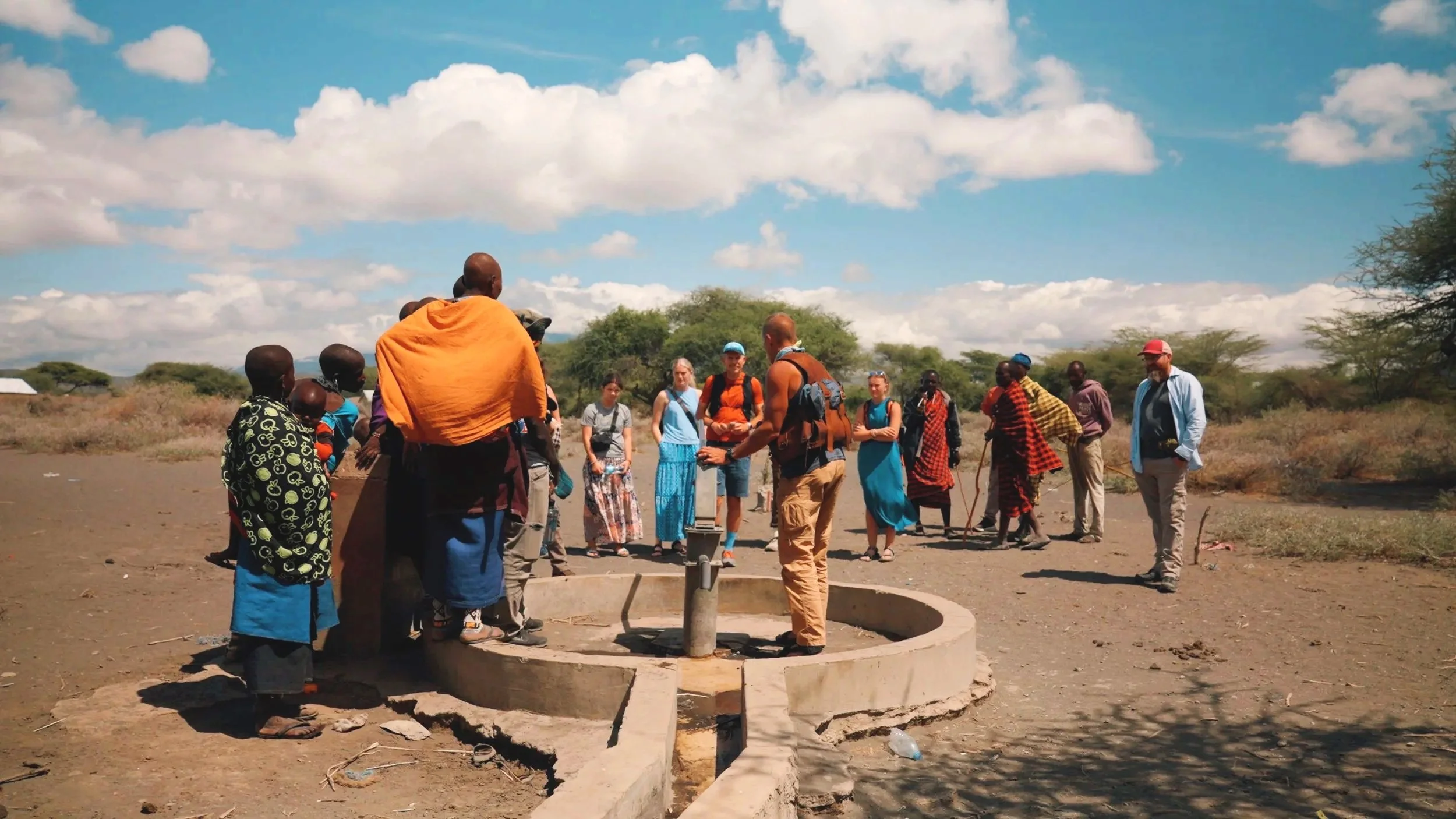
A well installed near a Maasai school has its obvious benefits: people have water. But the deeper story is what that water sets in motion. Water builds community. Community builds schools. Schools build opportunity. And for girls, water solves a problem most people never think about: without it, girls often miss around 84 days of school a year because they have no way to manage their periods with dignity. With water comes access to hygiene, and with hygiene comes girls who stay in school, keep their confidence, and go on to graduate. It's one of the least visible effects of a well, and one of the most powerful.
Mount Kilimanjaro
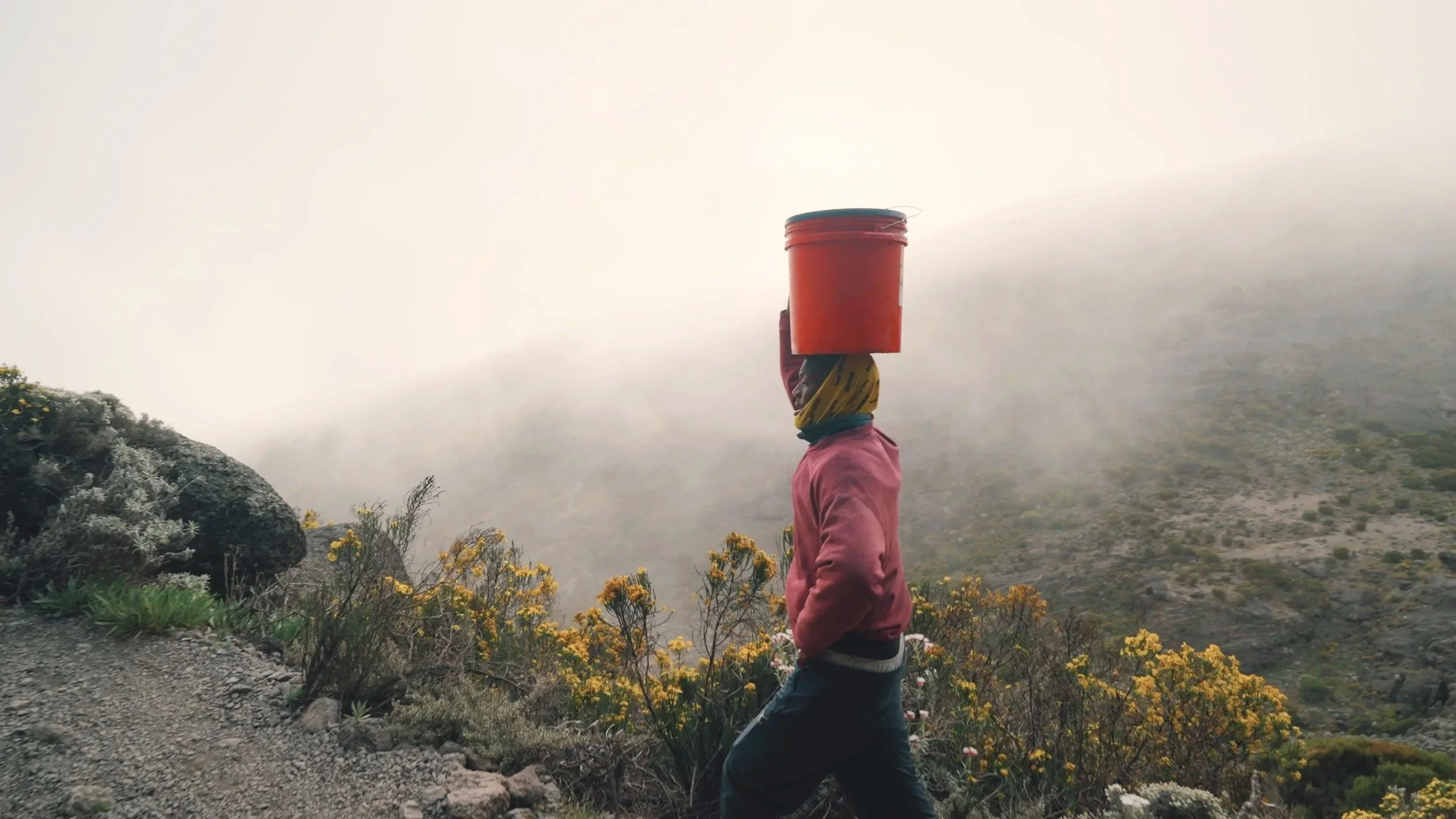
Kilimanjaro isn't just a mountain people climb. It's a water tower, catching rainfall and cloud cover that feeds the communities living in its shadow. But the film's real focus is on the people rarely seen in anyone's summit photos: the porters. Above 13,000 feet, water becomes scarce, so porters descend to the nearest stream, fill their buckets, and climb back up, sometimes more than once a day, so tourists can reach the top. Their work sits at the center of a balance the whole region depends on: tourism creates jobs, conservation protects water, and neither one works without the other.